Podium.
UI/UX Design, Visual Design, Creative Direction, Print Design
Design Tools Used: Adobe XD, Illustrator, Photoshop, InDesign, Premiere Pro, and After Effects
I was the co-founder and sole designer of the project and was responsible for the brand design, product design, and eventual app's UX design.
Podium enables local publications to engage their communities through crowdsourced video interviews.
For a Podium interview, community members submit and vote on questions to be asked to a given interviewee. Publications then record responses to the top-5 voted questions and share them with their community.
Publications working with us also get access to the Podium Network, so far made up of a group of ten campus newspapers each running these interviews within their own communities. Our product and our network connect students with their local and global communities and give them a voice to interact with leaders.
Part I: The Problem.
Through many interviews with local newsrooms and our own experiences with college newspapers, we found that small and local news organizations find it increasingly difficult to engage their audiences. Instead of creating new forms of content, most of these organizations reacted to the rise of the internet by simply turning paper news into pixels. Local news faced the worst of this.
Moreover, to allow public figures to directly engage with their communities, local newsrooms typically hold town halls. However, town halls have been an age-old form of community engagement and communities have not made the step to bring this format online.
Consequently, local newsrooms were facing reduced viewership and engagement.
Part II: Discovery.
1. Product Design.
Our main service was organizing and creating crowdsourced video interviews to allow increased engagement between newsrooms and their audience.
Throughout Podium's development, the fundamental concept of the crowdsourced interviews remained consistent: Submit, Vote, Respond. These videos were also going to be posted on Facebook - that's where our audience is and would be the fastest way to capture these users.
By crowdsourcing the questions, we empower communities to engage in two-way conversations with people they never would've had the chance to.
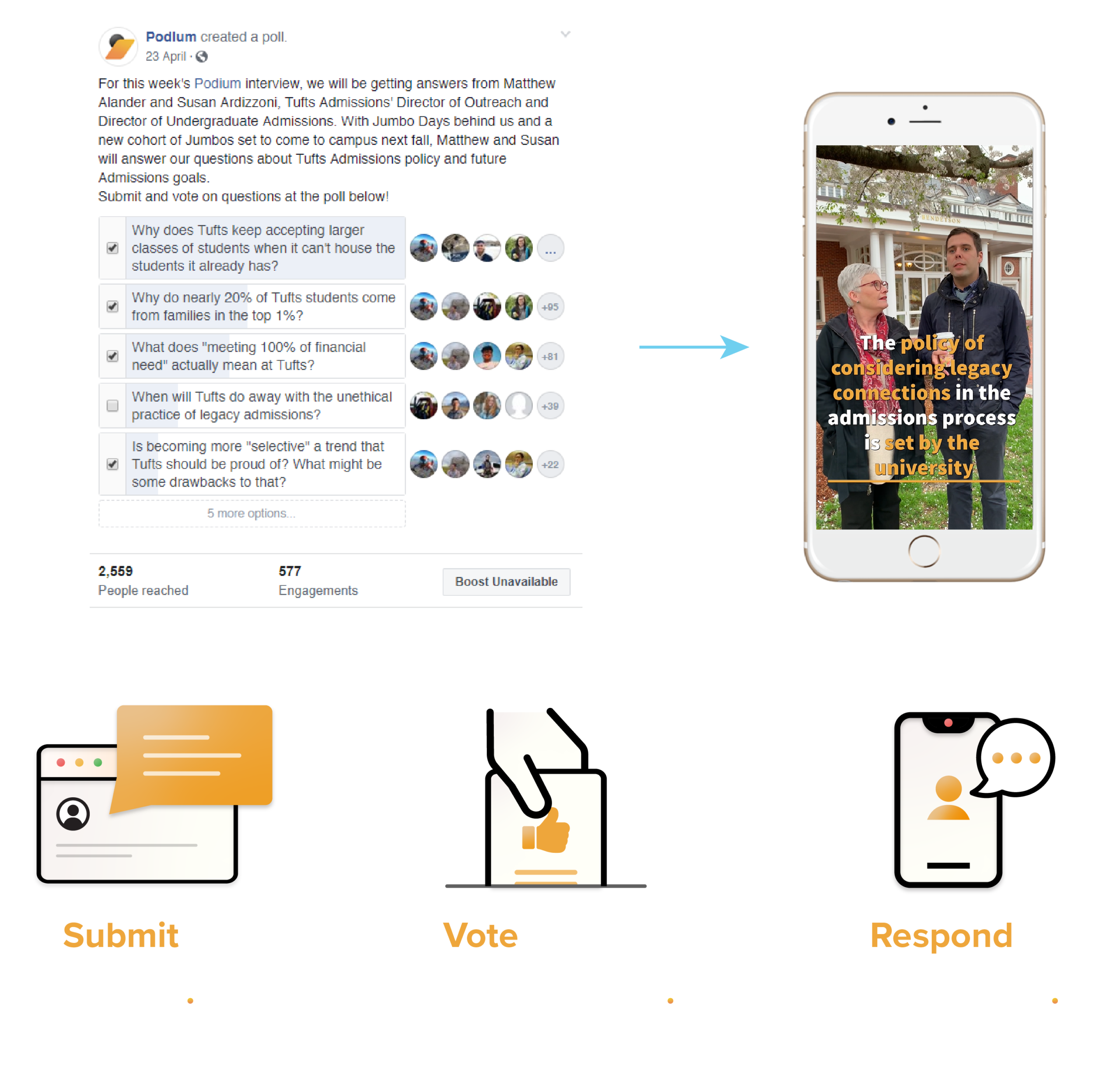
This concept was also an adaptation of features proven in other corners of the internet - Reddit, Twitch, and Facebook Live - and acted as both a news-generation and community-engagement tool for local publications.
The style of the videos went through several iterations:
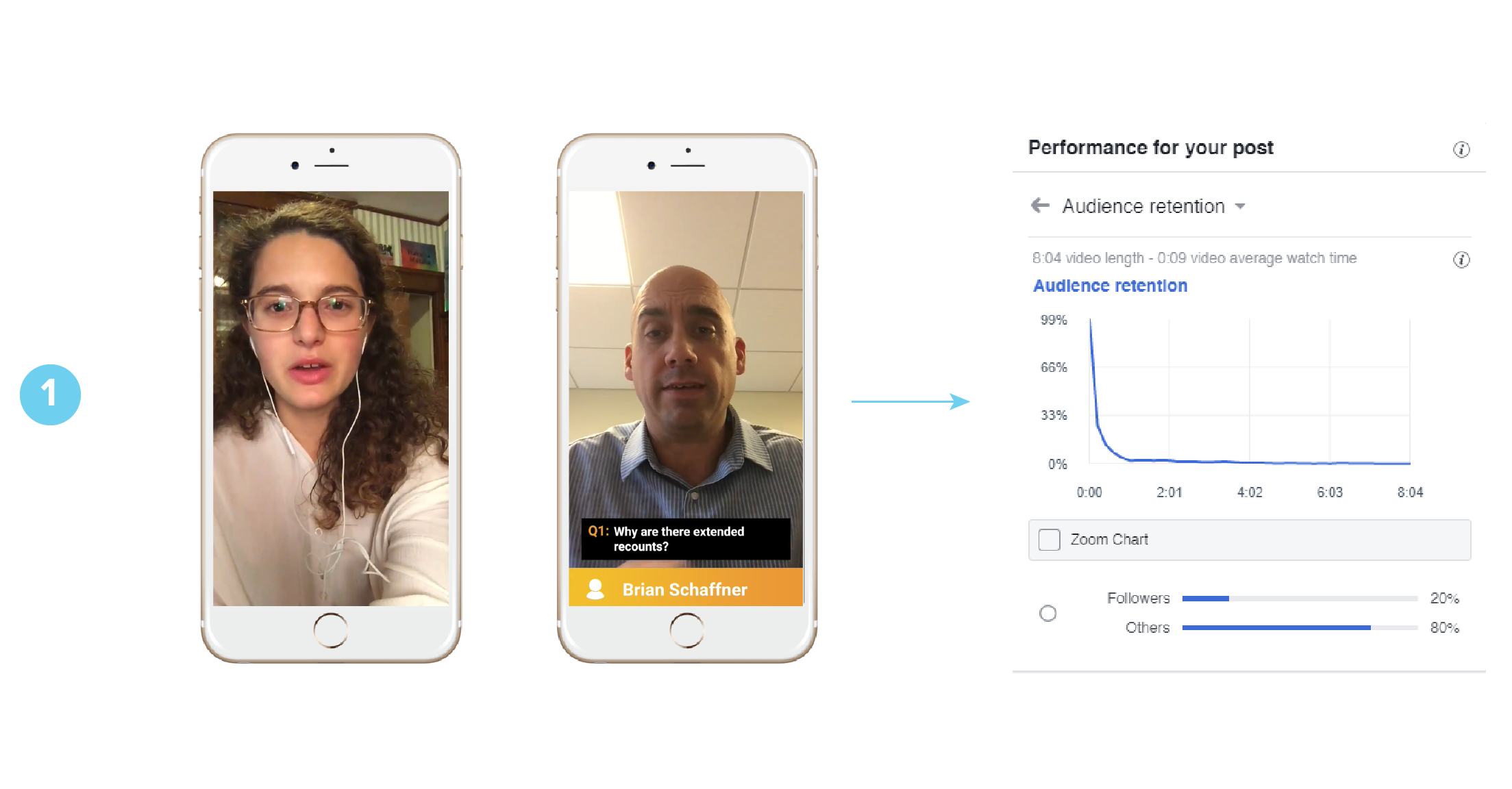
We initially paired the top-5 video answers with video questions and stitched them together into one long 8-minute clip.
Idea: Having video questions in our final product not only incentivizes questions (your video question gets played before the answer - it's almost like a conversation!), but also promotes authentic questions as a face is attached to an answer.
Problem: Attention spans are short - no one was going to watch a 8-minute video clip on Facebook. Video retention dropped off significantly after the first 10 seconds.
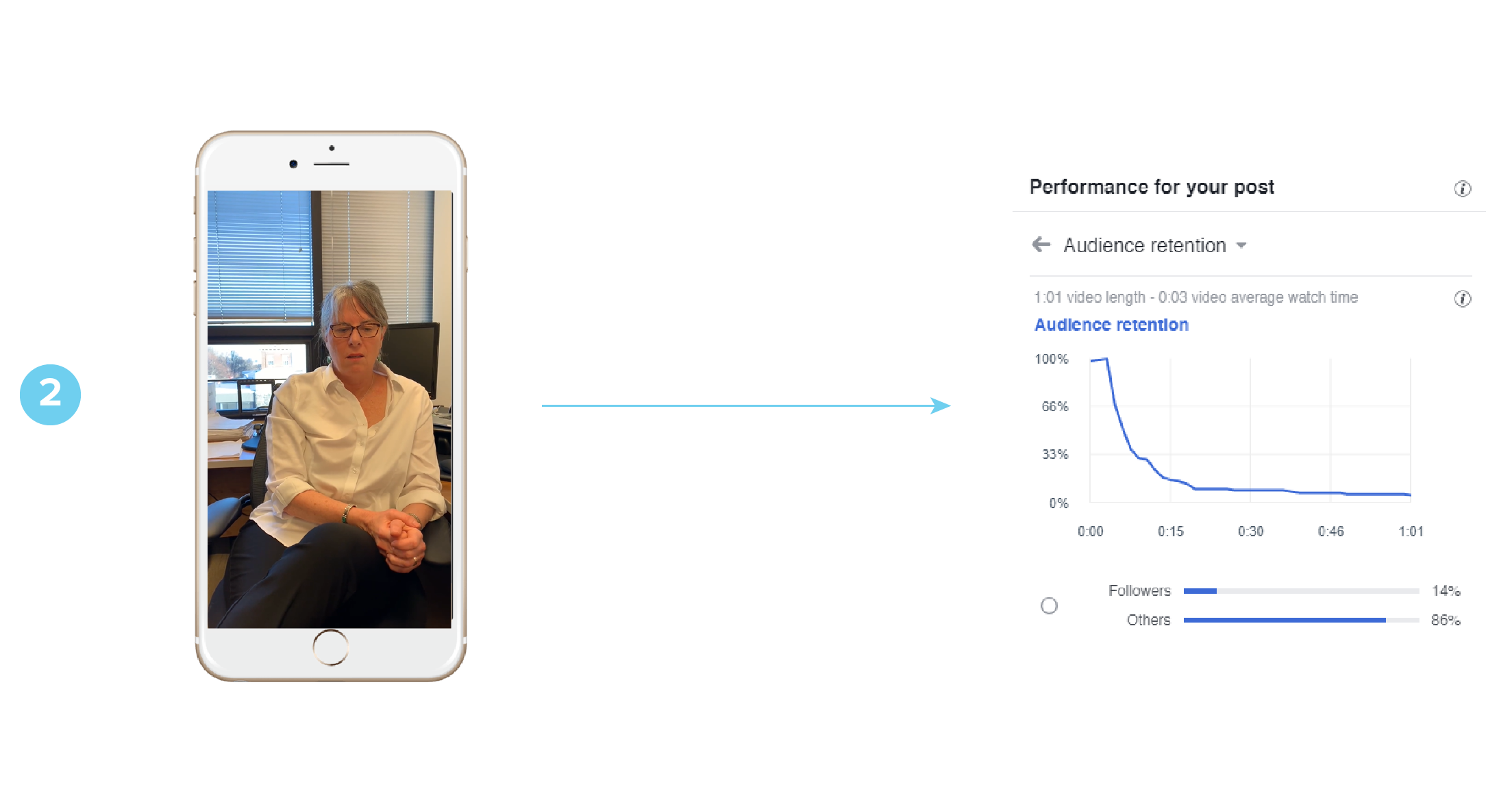
We removed the video questions and separated the video into 5 individual video answers.
Idea: To improve retention, we created bite-sized clips that can also be shared as individual snippets of information. Retention improved!
Problem: However, 98% of our viewers watched the video without audio. Moreover, with the endless feeds of Facebook, a plain video without accompanying graphics would get easily lost.
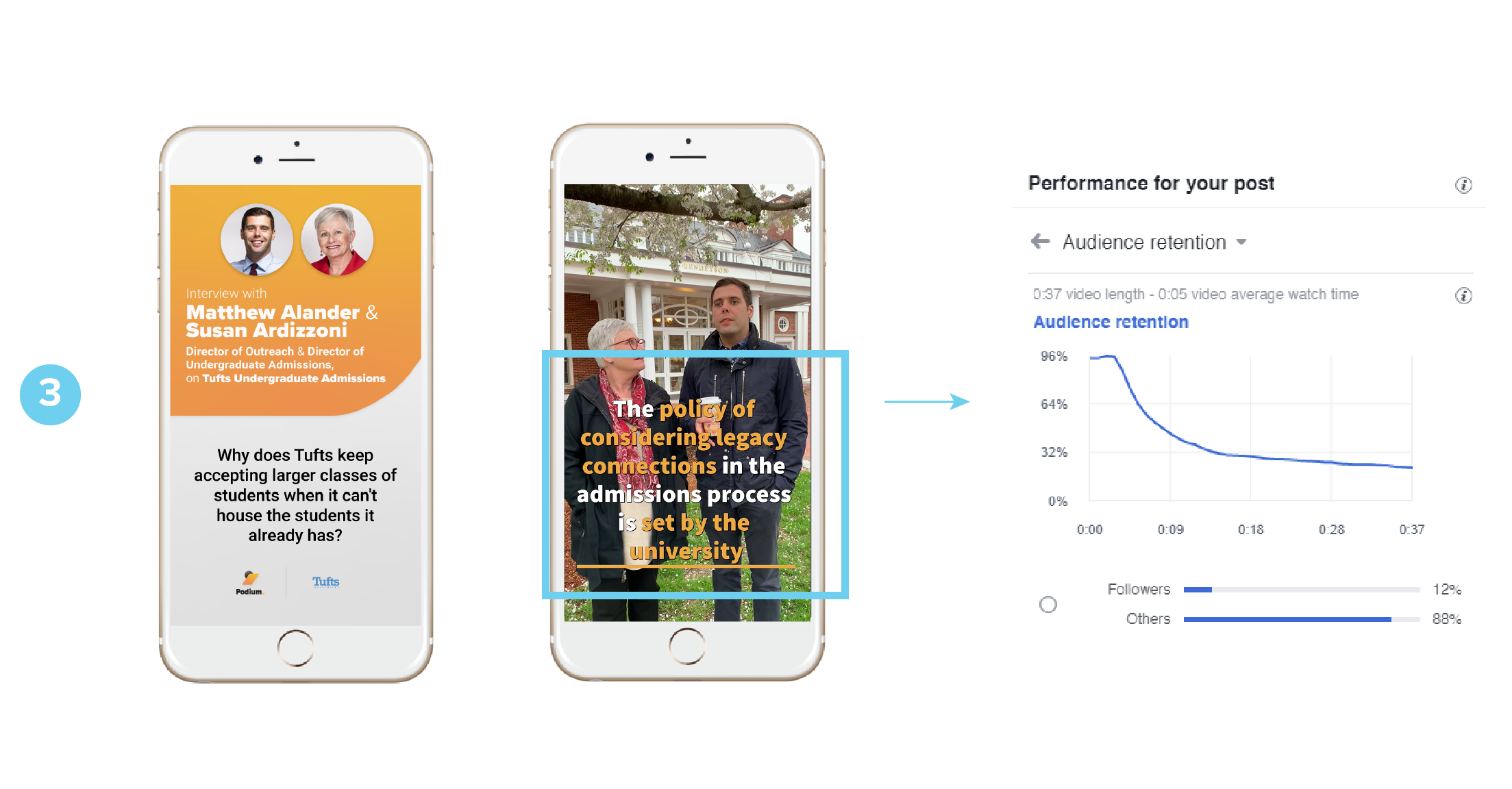
We added accompanying graphics and flashy subtitles to engage the majority-audience who watches the videos without audio.
Retention improved further!
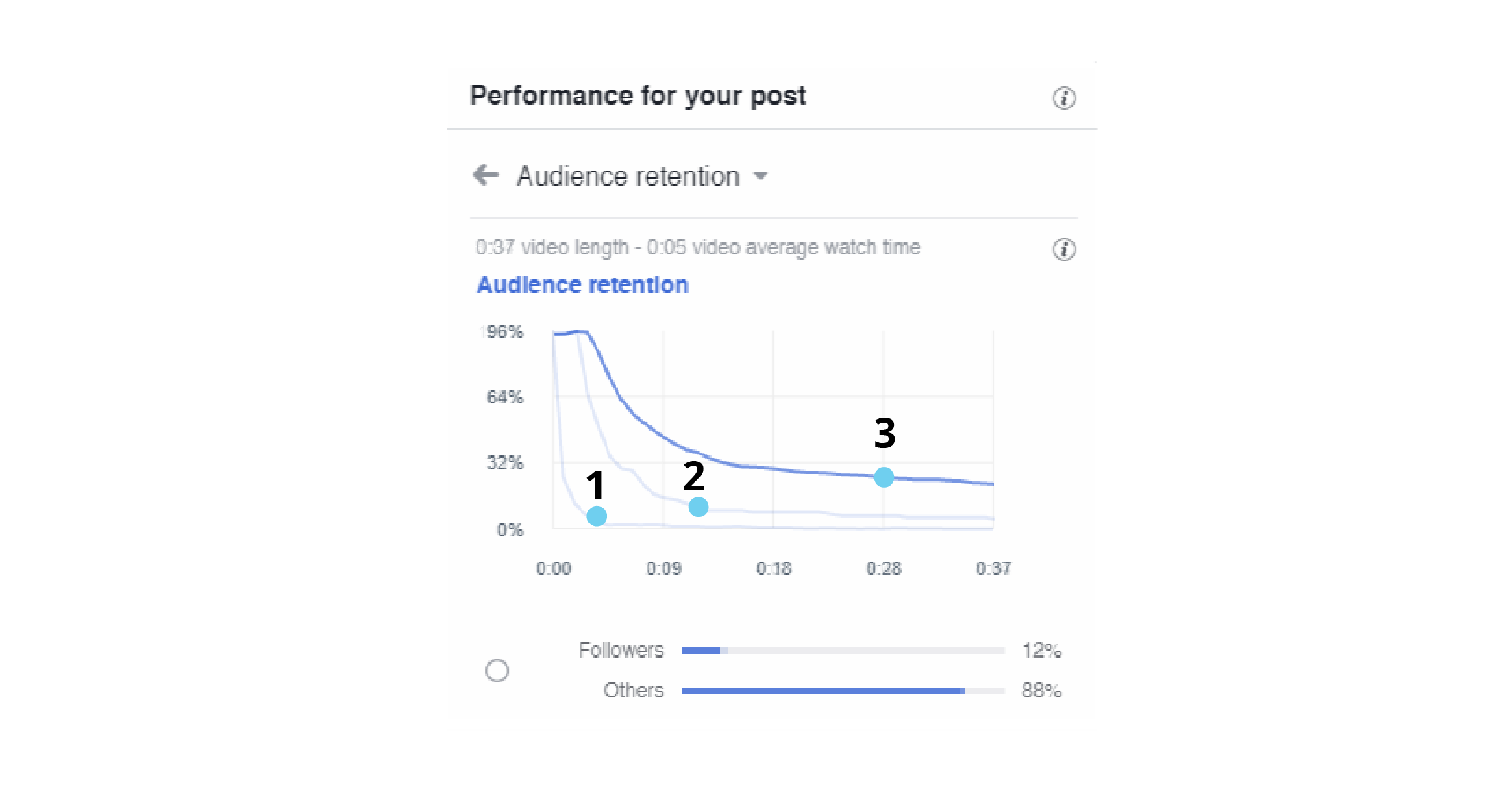
The above is a comparison graph of the above 3 iterations: each point represents the 30-second mark and the respective retention rates.
Our last 3 interview series at Tufts garnered an average of 1,015 views - that's ~25% of the Tufts undergraduate population. Moreover, 30% of our viewers watch at least 30-seconds of each video - that’s at least 50% of a clip.
2. Raising Money.
We participated in numerous start-up competitions around the nation to raise money for our initial product development. We won a total of $35,000 from the various start-up competitions listed below.
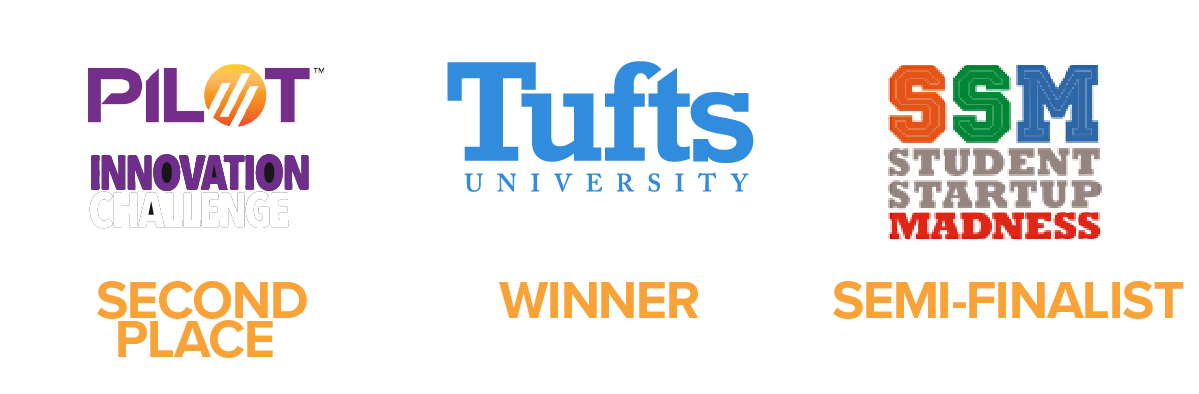
This money allowed us to begin development of the web and mobile app. This app would allow us to host our services independent of Facebook, thereby preventing our videos from getting lost among the endless content on the social media platform.
Part III: The Product.
1. Podium Interviews.
The resulting videos were a culmination of the lessons we learnt above - bite-sized, captioned videos accompanied by striking marketing graphics.
Throughout 2019, we released 5 Network Interviews with leading experts, most notably David Cole (left), the National Legal Director of the ACLU, and Rep. Jamie Raskin (right), Congressman for Maryland's 8th District.
Note that the videos differ slightly because we iterated between videos to maximize retention.
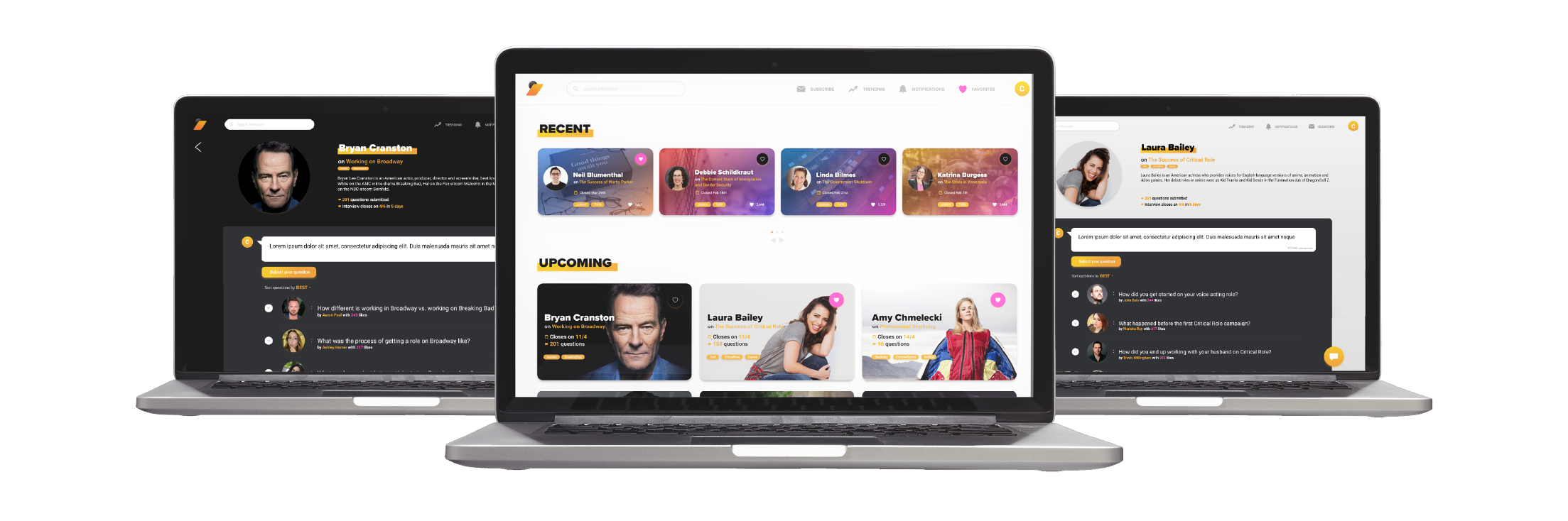
I also began work on the UX design of the planned web and mobile app - these would act as the eventual platforms for hosting Podium interviews.
You can check out early drafts at the button links below and contact me here to learn more.
2. Expanding our audience.
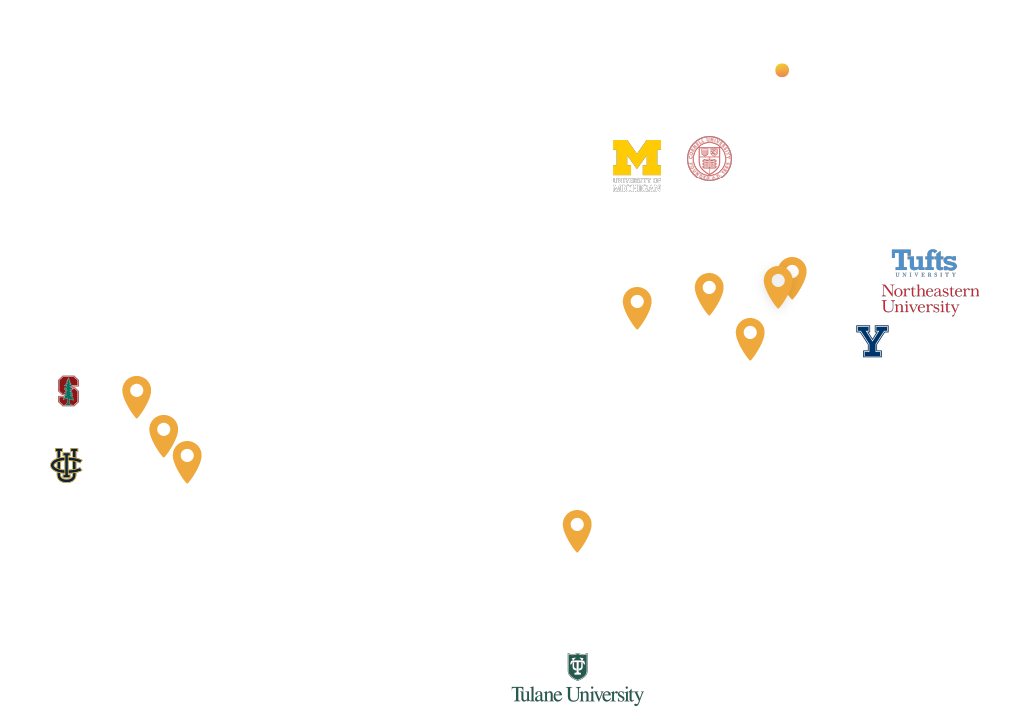
To grow our initial audience, we reached out to the audience we were most familiar with and created The Podium Network, a growing collection of 10 college campuses around the nation, all engaging in community-based crowdsourced journalism.
These school publications include: The Stanford Daily, The Yale Daily News, and UC Irvine’s The New University.
Partner schools gain access to nationwide interviews we schedule with public figures - their community will be able to participate in these nationwide conversations.
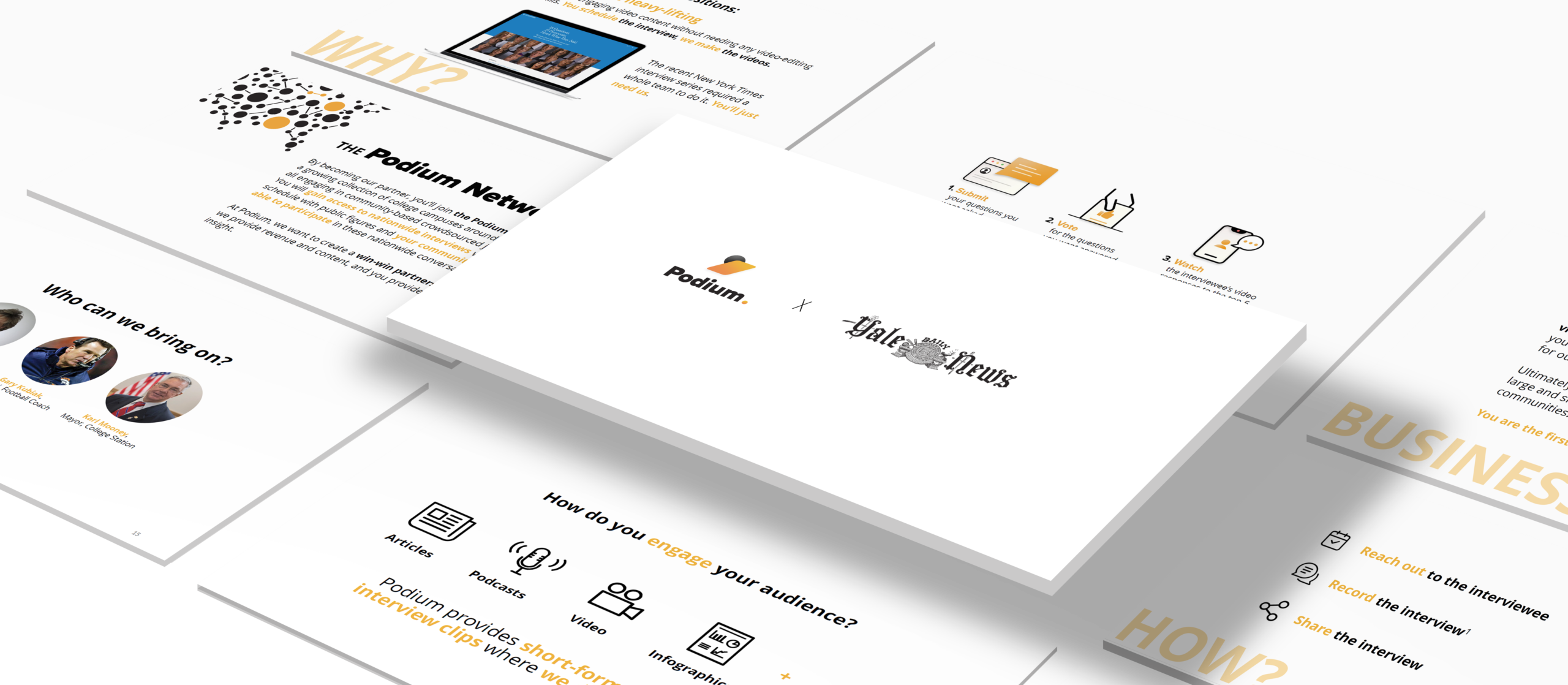
I designed the pitch decks that were shared during our outreach. These pitch decks were sent to 33 schools over the nation, among which we secured 10 partnerships.
Selected Works
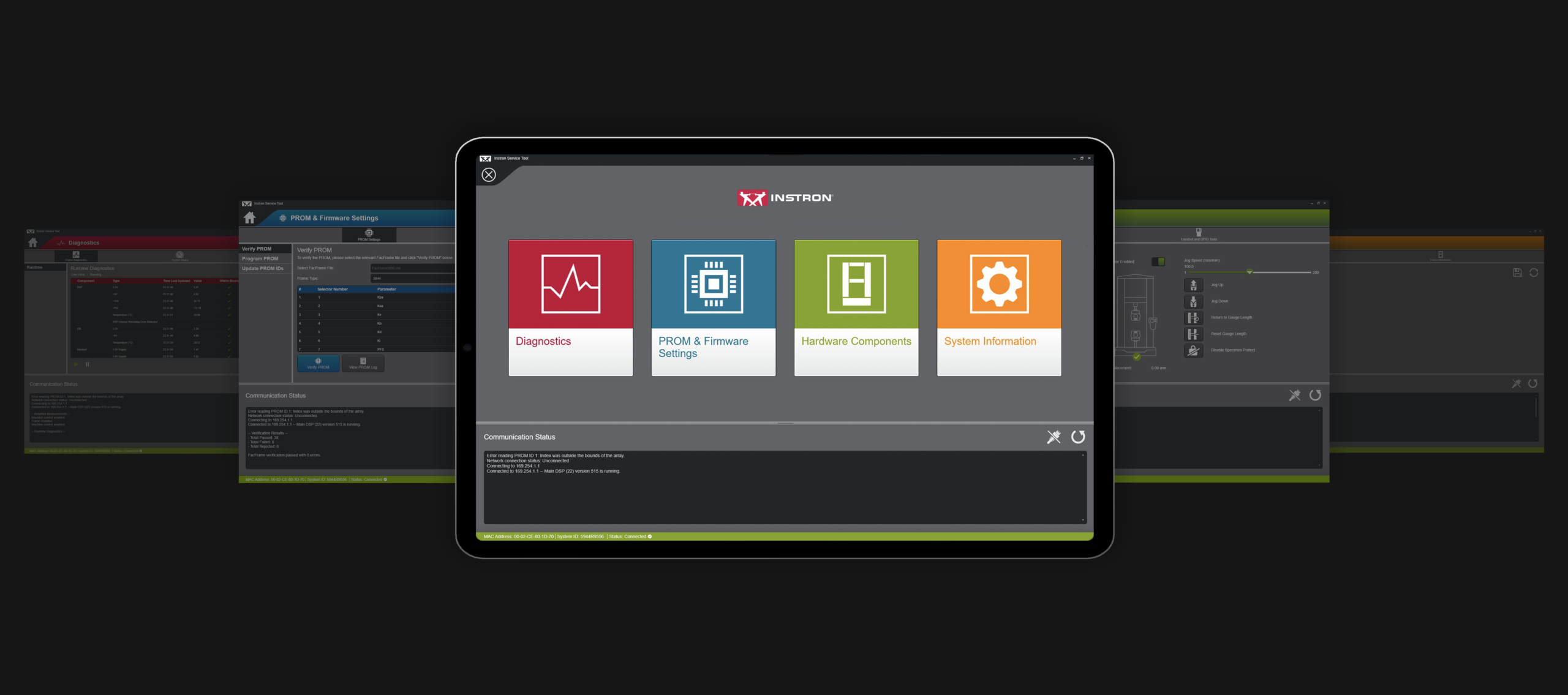
Instron Diagnostic ToolUI/UX Design, Visual Design, Software Dev
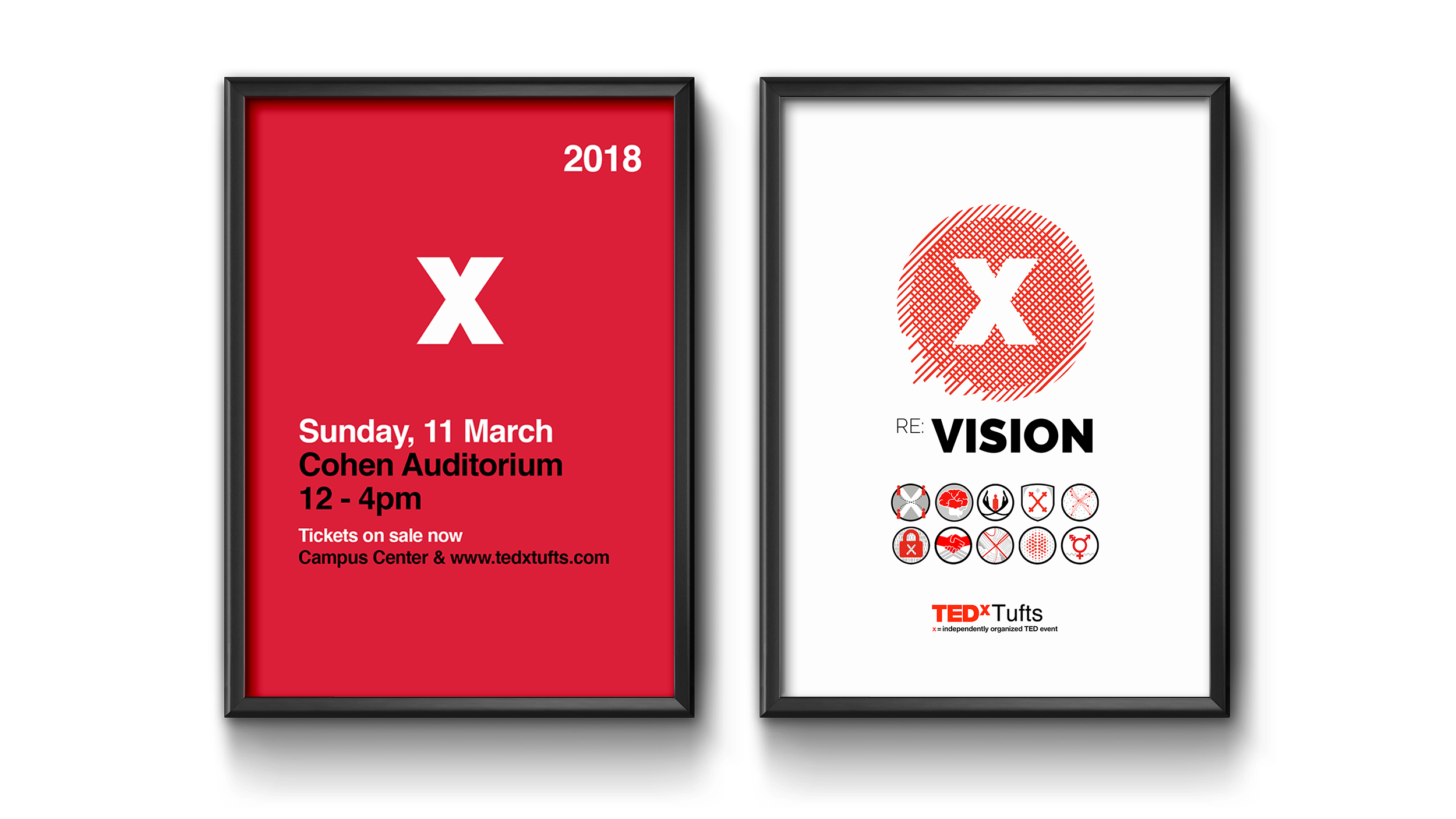
TEDxTuftsVisual Design, Print Design
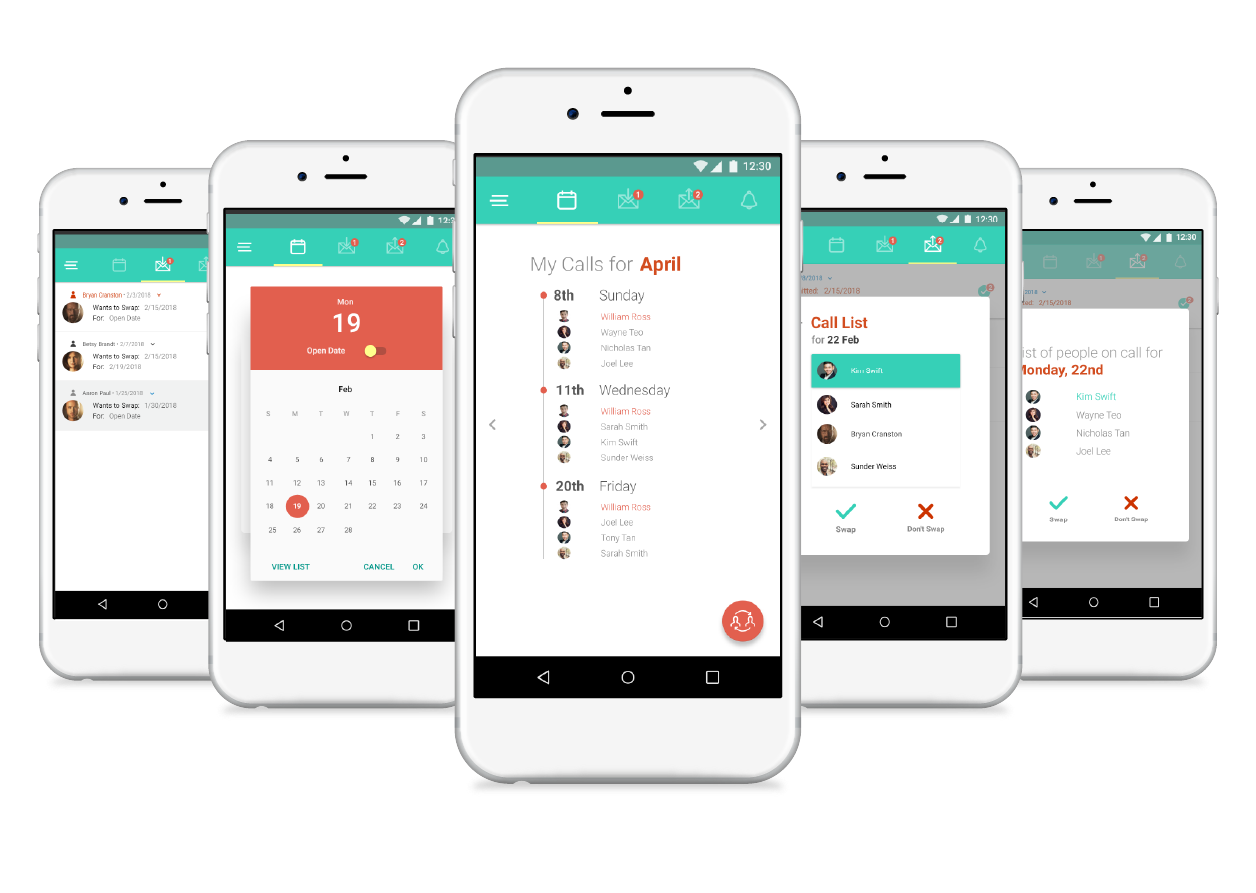
The Doctor's CompanionUI/UX Design, Visual Design